
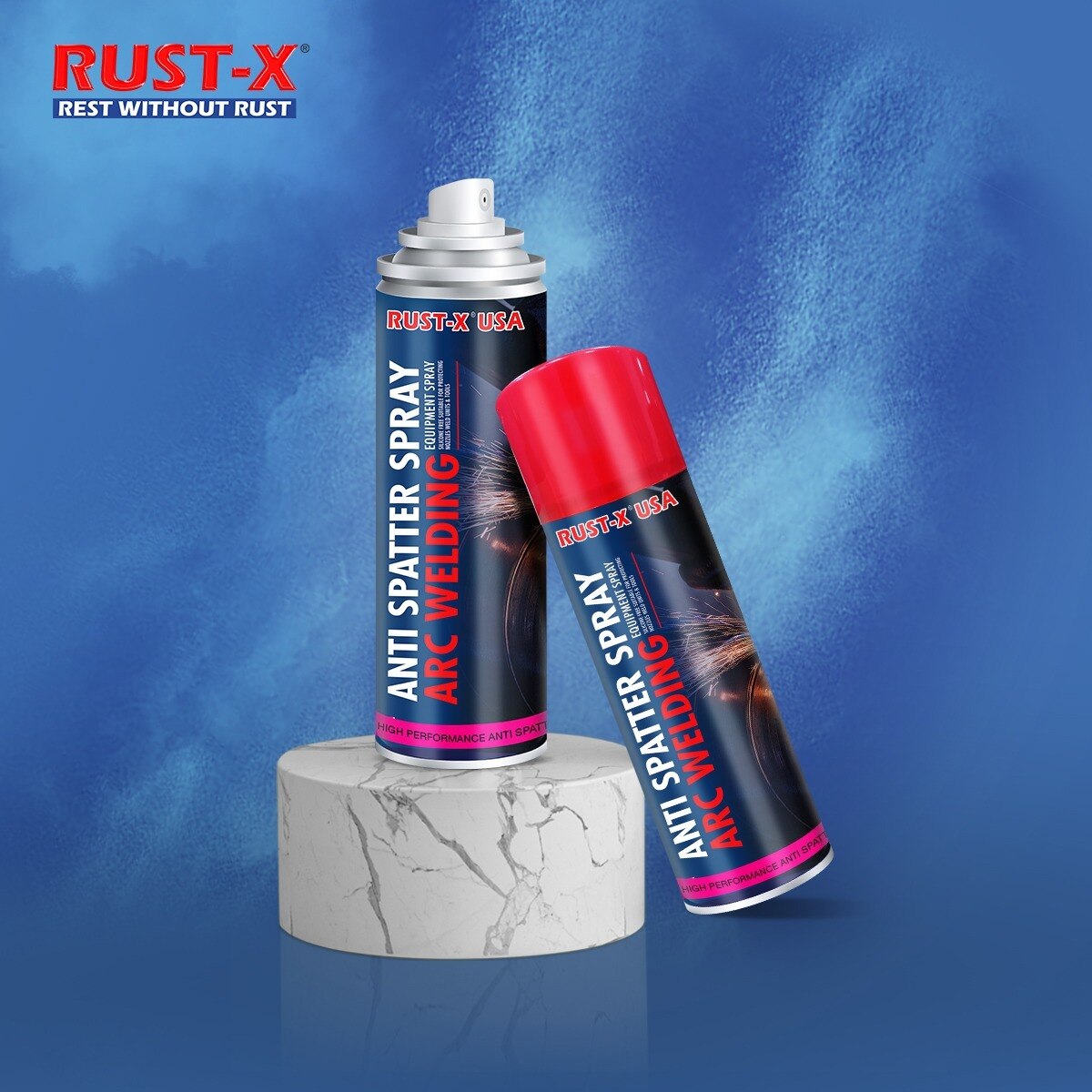
The price of anti-spatter spray depends on pack size, chemistry, order quantity, GST, freight and the cleaning work it creates after welding. By the end, you will know how to compare Bengaluru quotations, test compatibility with your process and request the documents needed before approving a supplier.
Key takeaways
- Budget ₹100–₹300 for a 300–500 g aerosol can before taxes.
- Compare coverage and consumption, not pack price alone.
- Test spray residue, weld quality and post-weld cleaning before bulk buying.
- Ask suppliers for formulation details, batch traceability and safety documents.
What anti-spatter spray costs in Bengaluru
A 300–500 g aerosol can usually costs ₹100–₹300 in Bengaluru before applicable taxes. Larger packs reduce packaging cost but require a different consumption calculation.
| Pack size | Indicative Bengaluru price | Best suited to |
|---|---|---|
| 300–500 g aerosol | ₹100–₹300 | Trial orders, maintenance work and low-volume welding |
| 5 L liquid pack | ₹500–₹1,500 | Regular manual or semi-automatic use |
| 20 L bulk pack | ₹1,500–₹5,000 | High-volume welding lines and repeated application |
These are budgeting ranges, not fixed market rates. Brand, water-based or solvent-based chemistry, silicone-free specification, concentration, container material and order quantity can shift the quote. A general-purpose nozzle spray can cost less than a paint-compatible grade designed to limit residue and coating defects.
If you buy anti spatter in Bengaluru, compare the price per kilogram or usable litre, not only the aerosol can price. Aerosols include propellant and packaging, while bulk liquids may deliver a lower application cost; freight can erase that advantage on small orders.
Ask the supplier to state these points in writing:
- Pack quantity and minimum order quantity
- Basic price, GST rate and whether GST is included
- Delivery charge, Bengaluru delivery area and lead time
- Payment terms and stock availability
- Replacement terms for leaking or damaged aerosol cans
- Consumption guidance per shift or per 1,000 welds
The phrase anti spatter price in Bengaluru does not identify one product grade. Request a written quotation that names the chemistry and confirms whether it is silicone-free when later painting, powder coating or adhesive bonding is planned.
How formulation and application affect welding results
One silicone-contaminated spray can cause fisheyes in paint, poor powder-coat adhesion, weak adhesive bonds, or defects during welding repairs. If you buy anti spatter in bengaluru, specify silicone-free when the part will be painted, powder coated, bonded, or rewelded, then confirm compatibility on the technical data sheet.
| Formulation | Welding-line benefit | Downstream risk or check |
|---|---|---|
| Water-based | Low odour and easier cleanup | Confirm drying time and corrosion protection on steel |
| Solvent-based | Fast evaporation and strong wetting | Check flash point, ventilation and ignition controls |
| Silicone-based | Effective release on nozzles and fixtures | Reject it for coating, bonding or repair-welding routes unless approved |
| Silicone-free | Safer starting point for painted parts | Verify actual coating compatibility with a trial panel |
Before production use, obtain the technical data sheet and safety data sheet. Check the active chemistry, recommended spray distance, coverage rate, storage temperature, shelf life, flash point and spill controls.
Control application at the line rather than spraying by habit:
- Spray a light, even film on the nozzle, tip, jig or fixture; do not flood the weld joint.
- Confirm the specified distance and coating thickness, then measure consumption per shift.
- Apply at the stated interval; excess material attracts dust and can enter the weld.
- Wait the listed drying time before striking the arc.
- Test MIG, MAG, TIG, arc or robotic settings on the actual metal, shielding gas and coating sequence.
Record the approved product, lot number, dilution ratio and applicator setting. A bulk concentrate also needs a written dilution method and clean dispensing equipment; uncontrolled dilution changes both release performance and residue.
Choosing between spray, gel, paste and other options
Choose the format by where the product must stay, how precisely you can apply it, and what happens after welding. A wide aerosol spray suits occasional nozzle and fixture protection, but overspray can reach panels, sensors and floors. Select silicone-free chemistry whenever parts will be painted, powder-coated, bonded or welded again.
| Option | Main advantage | Main risk or limitation |
|---|---|---|
| Aerosol spray | Fast coverage for nozzles, jigs and nearby fixture surfaces | Propellant and mist increase overspray; residue can reach coating surfaces |
| Trigger or pump spray | More controlled application with less airborne mist | Requires repeated manual application and careful coverage |
| Gel | Stays on vertical nozzle faces and local fixture points | Excess gel can collect spatter, harden and transfer to parts |
| Paste | Precise protection for small areas and high-build coverage | Smearing and cleanup make it unsuitable for broad workpiece coverage |
| Bulk liquid or concentrate | Metered application for high-volume or robotic lines | Needs compatible dosing equipment and verified dilution |
Run an acceptance test on the actual nozzle, fixture and workpiece material. Weld representative parts, then perform the real degreasing, painting, powder coating, plating or bonding process; inspect for fisheyes, cratering, poor adhesion, porosity and visible residue.
Use a gel or paste when overspray threatens a finished surface. Use a controlled liquid system when production volume justifies metering. Ask for the technical data sheet to confirm silicone status, residue removal method, flash point and compatibility before approving the format.
How to evaluate an anti-spatter spray supplier in Bengaluru
Ask an anti spatter spray supplier in Bengaluru to prove availability before you compare prices. A quotation is not evidence that the stated quantity is physically in stock.
1. Request the available can, carton or drum quantity, manufacturing batch, expiry or retest date, and replenishment lead time. Check that the stated shelf life runs from manufacture, not purchase, and reject old stock for infrequent-use applications.
2. Confirm delivery coverage for your plant location, including Peenya, Bommasandra, Whitefield or other industrial areas you use. Ask how the supplier transports pressurised aerosol cans, what happens when stock is delayed, and whether urgent replenishment is available.
3. Require the technical data sheet and safety data sheet before plant approval. The documents must identify the formulation type, active ingredients, application distance, coverage or consumption rate, flash point where relevant, storage temperature, shelf life, first-aid measures and spill controls.
4. State your process and downstream finish in writing. Ask whether the product is water-based, solvent-based, silicone-based or silicone-free, and request written suitability for MIG, MAG, TIG, arc or robotic welding. Choose silicone-free when parts will be painted, powder-coated, bonded or repaired by welding.
5. Request a sample trial on your nozzle, jig and workpiece, then record residue, cleanup time and coating adhesion. Ask Elite Global Exim to identify the exact grade and batch supplied rather than offering an unclassified “general-purpose” spray.
A credible industrial anti spatter supplier will answer with documents and a testable product, not only a low unit price.
Related product
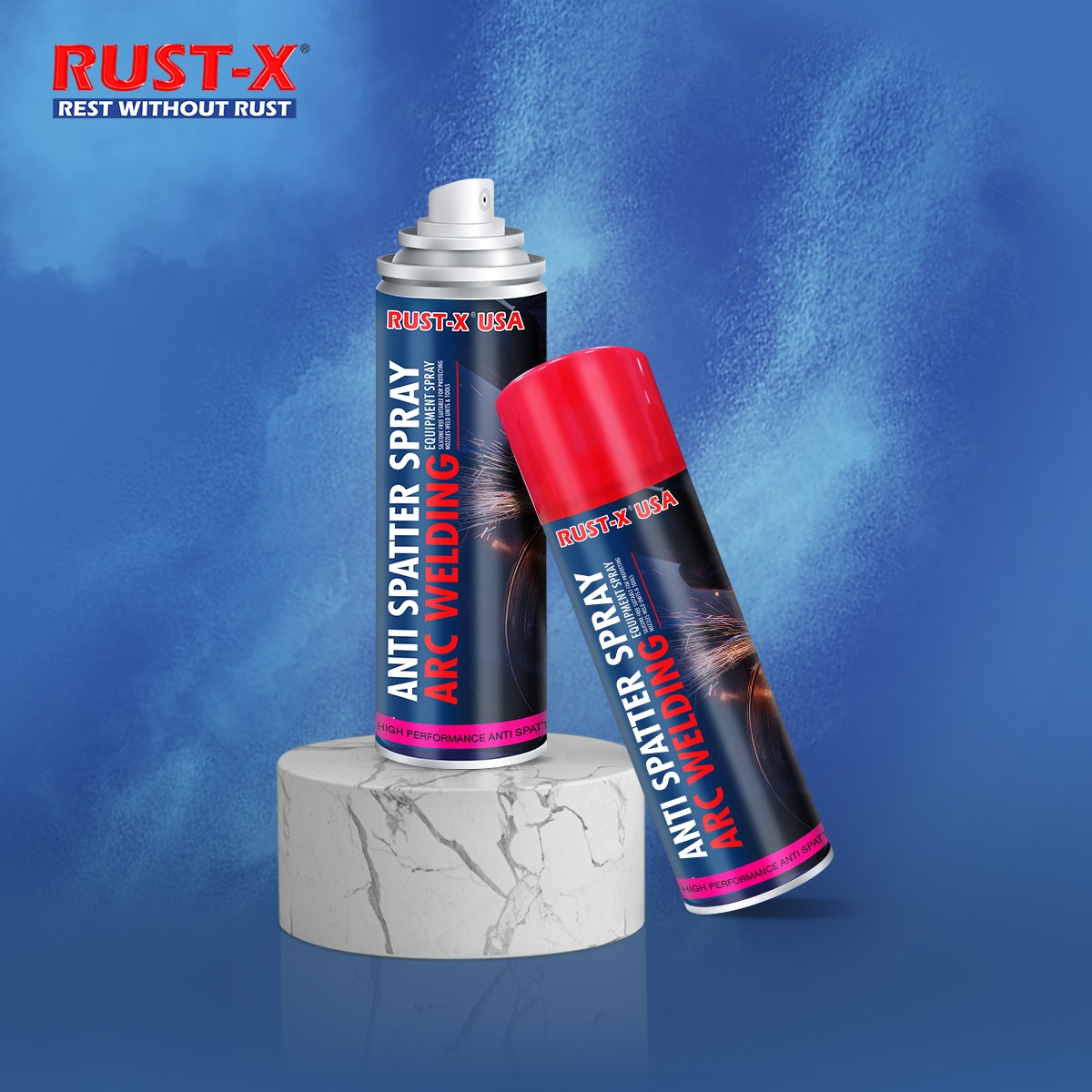 | VCI SPRAYS Elite Global Exim is a leading Anti-Spatter Spray Dealer, providing reliable solutions for welding applications across industrial and fabrication... View product → |
How to calculate the real cost before placing an order
Compare the cost per acceptable weld, not the can price. Calculate monthly cost as product used, application labour, cleanup, rejected welds, rework, disposal and equipment; a ₹150 aerosol is expensive if it produces heavy residue or requires frequent reapplication.
| Option | Operating cost | Weld quality and cleanup | Plant-handling requirement |
|---|---|---|---|
| Aerosol | Higher packaging and propellant cost per application | Convenient for nozzles and fixtures; overspray can contaminate surfaces | Store cans, control spray loss and segregate damaged or leaking packs |
| Ready-to-use bulk liquid | Lower cost per usable litre on high-volume lines | Consistent coverage with a calibrated dispenser; confirm residue and coating compatibility | Provide compatible pumps, closed containers and contamination control |
| Concentrate | Lowest potential application cost after correct dilution | Incorrect dilution can cause spatter, poor protection or excessive residue | Document the dilution ratio, label the mixed batch and use clean water and equipment |
Ask an industrial anti spatter supplier to quote consumption per 100 welds or per production shift, not only a pack rate. Test each candidate on your actual wire, current, material and downstream paint or powder-coating process, then record nozzle cleaning time, fixture cleanup, weld repairs and coating defects.
Include these figures in the comparison:
- Product cost per usable litre or kilogram after dilution, not per can.
- Labour minutes per shift for application, nozzle cleaning and fixture scraping.
- Reject and rework cost linked to porosity, coating defects or silicone contamination.
- Storage space, dispenser cost, waste disposal and remaining shelf life; request the manufacturing batch and expiry or retest date before buying cartons.
That calculation gives the real anti spatter price in Bengaluru for your line.
Frequently asked questions
What does anti-spatter spray cost in Bengaluru?
A 300–500 g aerosol can usually costs ₹100–₹300 before applicable taxes. Larger packs require a consumption-based comparison.
How do formulation and application affect welding results?
Spray distance, coating thickness, drying time and formulation affect spatter adhesion, weld contamination, nozzle performance and post-weld cleaning.
Should you choose anti-spatter spray, gel or paste?
Choose between spray, gel, paste and other formats by comparing the welding position, coverage area, overspray risk, application speed and cleaning effort.
How do you evaluate an anti-spatter spray supplier in Bengaluru?
Check product specifications, batch traceability, safety documentation, pack integrity, delivery reliability, technical support and test results from your welding process.