
“Synthetic cutting oil” can mean a water-free neat machining oil, a water-dilutable fully synthetic concentrate, or a semi-synthetic fluid containing petroleum oil. By separating those forms and matching them to your operation, alloy, water supply and maintenance capacity, you can compare quotations on usable cost and verified machining results rather than on the word “synthetic” alone.
Key takeaways
- Specify neat oil or water-miscible concentrate before requesting quotations.
- Match coolant chemistry to the operation, alloy, tool and water quality.
- Compare dilution range, pH, corrosion protection, foam control and refractometer factor.
- Qualify suppliers by batch traceability, technical support, testing and delivery capability.
What does synthetic cutting oil mean in a machine shop?
“Synthetic cutting oil” is not one fluid. In a machine shop, it means either a water-free neat lubricant or a water-miscible coolant concentrate. ISO 6743-7 classifies these metalworking fluids in family M, so your purchase specification must name the exact form.
| Option | What it means | Main strength and control point |
|---|---|---|
| Neat synthetic machining oil | Mineral-oil-free oil used without water | Strong lubrication; compare viscosity, flash point, oxidation stability and mist generation |
| Fully synthetic coolant | Water-dilutable concentrate with no petroleum base oil | Fast heat removal; control dilution, water quality, foam, microbes and corrosion |
| Semi-synthetic coolant | Water-dilutable concentrate containing some mineral oil | Balances lubrication and cooling; monitor emulsion stability and residue |
| Mineral cutting oil | Petroleum-based neat oil, or the base oil in some soluble products | Familiar lubrication; assess smoke, odour, oxidation and fire properties |
| Water-soluble cutting fluid | A broad term for fluids mixed with water, including emulsions, semi-synthetics and synthetic solutions | Efficient cooling; performance depends on concentration and sump maintenance |
In Bengaluru, “synthetic cutting oil in Bengaluru” may describe any of these, although their storage and handling differ. Keep concentrates protected from contamination, freezing and excessive heat; store neat oils according to the current safety data sheet.
Never infer fire safety from “synthetic”: hot chips, high-pressure delivery and oil mist can still create an ignition hazard.
Which fluid fits each machining operation and workpiece?
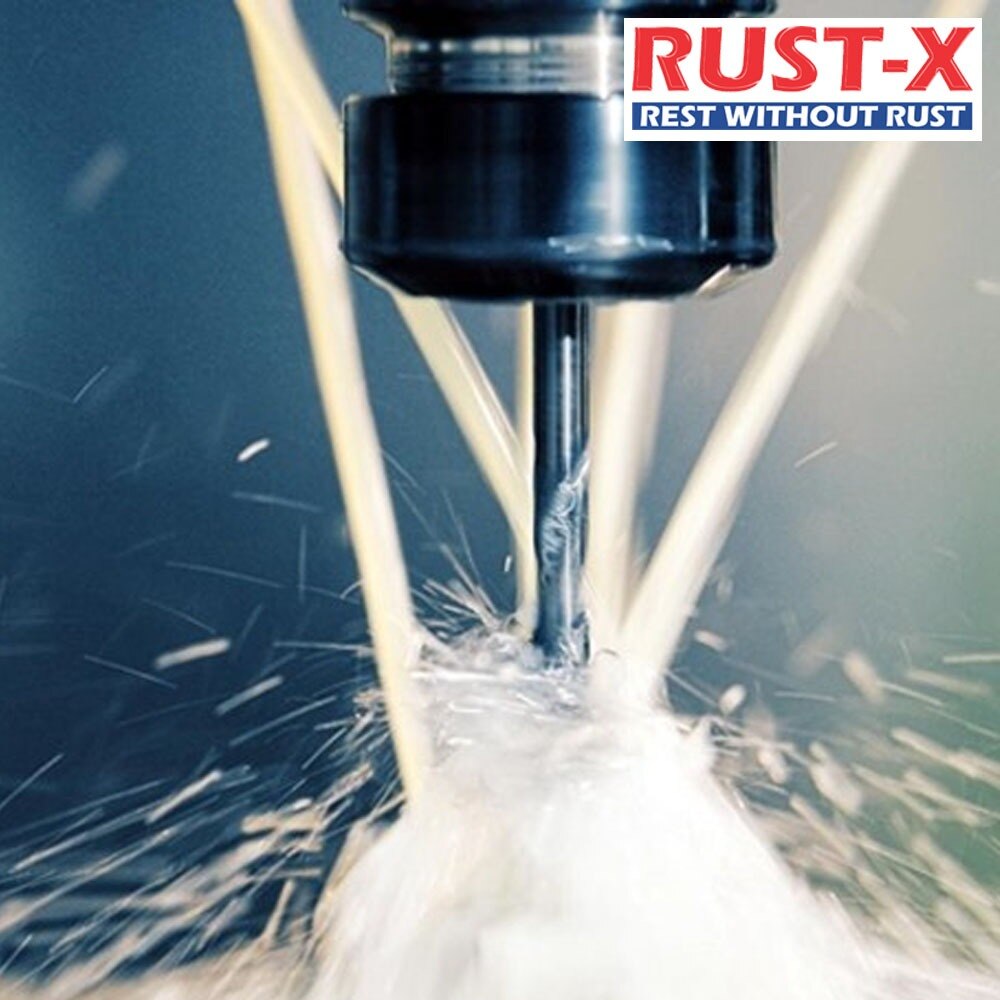
A metalworking coolant oil must match heat, pressure and chip evacuation, not merely carry a “synthetic” label. Use a water-miscible synthetic coolant for high cooling demand; choose neat oil when boundary lubrication and extreme-pressure protection dominate.
| Operation | Fluid choice | Workpiece guidance |
|---|---|---|
| Turning | Medium-lubricity soluble synthetic; neat oil for deep cuts | Aluminum needs low-staining chemistry; carbon steel and cast iron need cooling and rust control; stainless needs stronger lubrication. |
| Milling | Low-foam soluble synthetic | Use clean, fast-draining fluid for aluminum; higher lubricity for stainless and nickel alloys. |
| Drilling | Soluble synthetic for through-coolant tools; neat oil for deep holes | Increase lubricity for stainless, nickel and copper alloys; prevent chip packing in aluminum. |
| Tapping | Neat or high-lubricity semi-synthetic EP fluid | Use sulfur- or phosphorus-based EP chemistry only after checking compatibility with copper, brass and aluminum. |
| Grinding | Low-foam fully synthetic coolant | Prioritise cooling, filtration and low residue for carbon steel, stainless and cast iron. |
| Broaching | High-lubricity soluble synthetic or neat oil | Select strong film strength for stainless and nickel; keep chips from recutting. |
| Gear cutting | Soluble synthetic for cooling; neat oil for heavy tooth loads | Check staining and EP compatibility on copper alloys and aluminum. |
| Heavy-duty thread cutting | Neat EP synthetic machining oil | Choose high film strength for stainless, nickel and hardened steel; control mist and flash point. |
For a Bengaluru shop, test the actual make-up water and each alloy. Aluminum, copper, brass, cast iron and steel can corrode differently overnight, even when a generic steel-chip test passes. Reject any fluid that foams, leaves abrasive residue or stains finished parts.
Which technical data-sheet values deserve comparison?
Do not compare a synthetic machining oil with a water-dilutable concentrate until the formulation is identified. Ask whether “synthetic” means a mineral-oil-free neat oil, a fully synthetic chemical solution, or a semi-synthetic containing petroleum base oil. ISO 6743-7 classification and product type should appear on the data sheet.
| Product form | Values to compare | Why it matters |
|---|---|---|
| Neat synthetic machining oil | Kinematic viscosity, flash point, fire point, mist tendency | Lubrication, ignition risk and high-pressure delivery |
| Water-miscible synthetic concentrate | Recommended concentration, pH range, water quality, refractometer or titration method | Cooling, corrosion control and concentration accuracy |
| Semi-synthetic coolant | Mineral-oil content, dilution range, residue and foam data | Separates it from a fully synthetic metalworking coolant oil |
Request these details before accepting a quotation:
- Performance: recommended concentration for grinding, milling, turning, tapping and broaching; extreme-pressure performance; foam behaviour; residue; chip evacuation; and compatibility with aluminium, copper alloys, stainless steel and nickel alloys.
- Safety: current SDS classification, flash point, fire point, oil-mist warnings, personal protective equipment, storage temperature and transport classification. Never infer fire safety from “synthetic”; hot chips and high-pressure spray can ignite mist.
- Water and maintenance: limits for hardness, alkalinity, chloride, sulfate, conductivity and microbial contamination; operating pH; sump-life expectation; and disposal method.
- Supply: shelf life, batch traceability, retained samples, pack sizes and replenishment time. Convert price per drum into cost per usable litre at the stated dilution and make-up rate.
How do you mix, test and maintain a water-miscible synthetic coolant?
Start with the actual make-up water, not the product brochure. For synthetic cutting oil in Bengaluru, test hardness, alkalinity, chloride, sulfate, conductivity and microbial contamination because borewell, tanker and municipal supplies can change with source and season. These values affect foam, residue, corrosion, odour and concentration stability.
- Use the supplier’s stated operating range, such as 5–8%, and confirm the refractometer factor or titration procedure. A refractometer reading without that factor is not a concentration result.
- Clean the sump, hoses and tramp-oil separator before mixing. Add concentrate slowly to measured water while circulating; never pour water into concentrate.
- Check pH, concentration, temperature, foam persistence and corrosion on a fresh batch. Run a chip or coupon test on the actual aluminium, steel, cast iron or copper alloy before production.
- Skim tramp oil daily, remove chips and fines, and top up with correctly diluted fluid. Do not correct evaporation with concentrate alone.
- Record concentration, pH, conductivity, odour, appearance, sump temperature and microbial dip-slide results on a fixed schedule. Drain and clean the sump when contamination, persistent foam, rancid odour or unstable pH returns after correction.
| Check | What to control | Failure sign |
|---|---|---|
| Water quality | Hardness, alkalinity, chloride, sulfate, conductivity | Scale, residue or corrosion |
| Foam | Low-pressure return flow and tramp oil | Foam overflows or persists |
| Microbes | Dip-slide count and odour | Slime, rancid smell or pH drop |
| Sump condition | Chips, fines, oil layer and temperature | Blocked lines, staining or short fluid life |
How should you qualify a synthetic cutting oil supplier in Bengaluru?
Approve a synthetic cutting oil supplier in Bengaluru only after a controlled trial on your machine, alloy and tooling. A catalogue claim such as “longer tool life” proves nothing without the concentration, water source, tool grade, cutting speed, feed, depth of cut and trial duration.
Ask the supplier to provide these qualification checks:
- Run the candidate against your current fluid under identical conditions. Record tool life, cutting force or power, surface roughness, dimensional stability, corrosion, foam persistence, residue, fluid consumption and sump condition.
- Define the product form in writing: neat mineral-oil-free lubricant, water-miscible synthetic concentrate or semi-synthetic containing petroleum oil. Require the operating concentration, water-quality limits, refractometer or titration method, pH range, storage life and SDS classification.
- Confirm Bengaluru support: a technician who can test hardness, alkalinity, chloride, sulfate, conductivity and microbes in your make-up water; investigate foam, odor or corrosion at the machine; advise disposal; and state emergency replenishment time.
- Require batch numbers, certificates of analysis and retained samples, so a failure can be traced to a shipment rather than argued over.
- Compare cost per usable litre at the specified dilution, plus make-up rate, sump-cleaning labour, disposal, tool consumption and rejected parts. Drum price alone is misleading.
Elite Global Exim belongs on your comparison list only if it supplies this evidence for the exact product and application, rather than relying on its status as a cutting oil supplier in Bengaluru. Reject any quotation that omits trial conditions, replenishment terms or used-fluid handling.
Related products
 | Cutting Oils Elite Global Exim – Synthetic Cutting Oils Dealers is a trusted supplier of high-performance metalworking fluids designed for precision machining and... View product → |
 | Cutting Oils Elite Global Exim – Semi-Synthetic Cutting Oils Dealers is a trusted supplier of high-performance metalworking fluids for precision machining... View product → |
Frequently asked questions
What does synthetic cutting oil mean in a machine shop?
It can mean a water-free neat lubricant or a water-miscible synthetic coolant concentrate. Specify the exact form and ISO 6743-7 family M classification when purchasing.
Which synthetic coolant fits each machining operation and workpiece?
Choose based on cutting severity, tool material, alloy, surface finish, cleanliness requirements and corrosion risk. Heavy-duty operations need stronger lubrication; high-speed grinding prioritises cooling, filtration and low foaming.
Which technical data-sheet values should you compare?
Compare concentration or dilution range, viscosity, pH, refractometer factor, corrosion protection, foam behaviour, biological stability, water hardness tolerance and compatibility with machines and seals.
How do you mix, test and maintain a water-miscible synthetic coolant?
Add concentrate to measured water, not water to concentrate. Check concentration with a calibrated refractometer, test pH and appearance, remove tramp oil, filter contamination and record results on a scheduled log.
How should you qualify a synthetic cutting oil supplier in Bengaluru?
Request the technical data sheet, safety data sheet, certificate of analysis, batch traceability, sample trial support, water-quality guidance, delivery terms and a documented response process for coolant problems.
Related product
 | Cutting Oils Elite Global Exim – Mineral Cutting Oils Dealers is a trusted supplier of high-quality metalworking fluids designed to enhance machining performance... View product → |